Dine Crafted
Operations
How to Create Restaurant SOPs
Learn how to write restaurant SOPs that staff actually use: what to document, a simple template, a worked example and how to train, audit and update them.
28 October 2026 · 5 min read
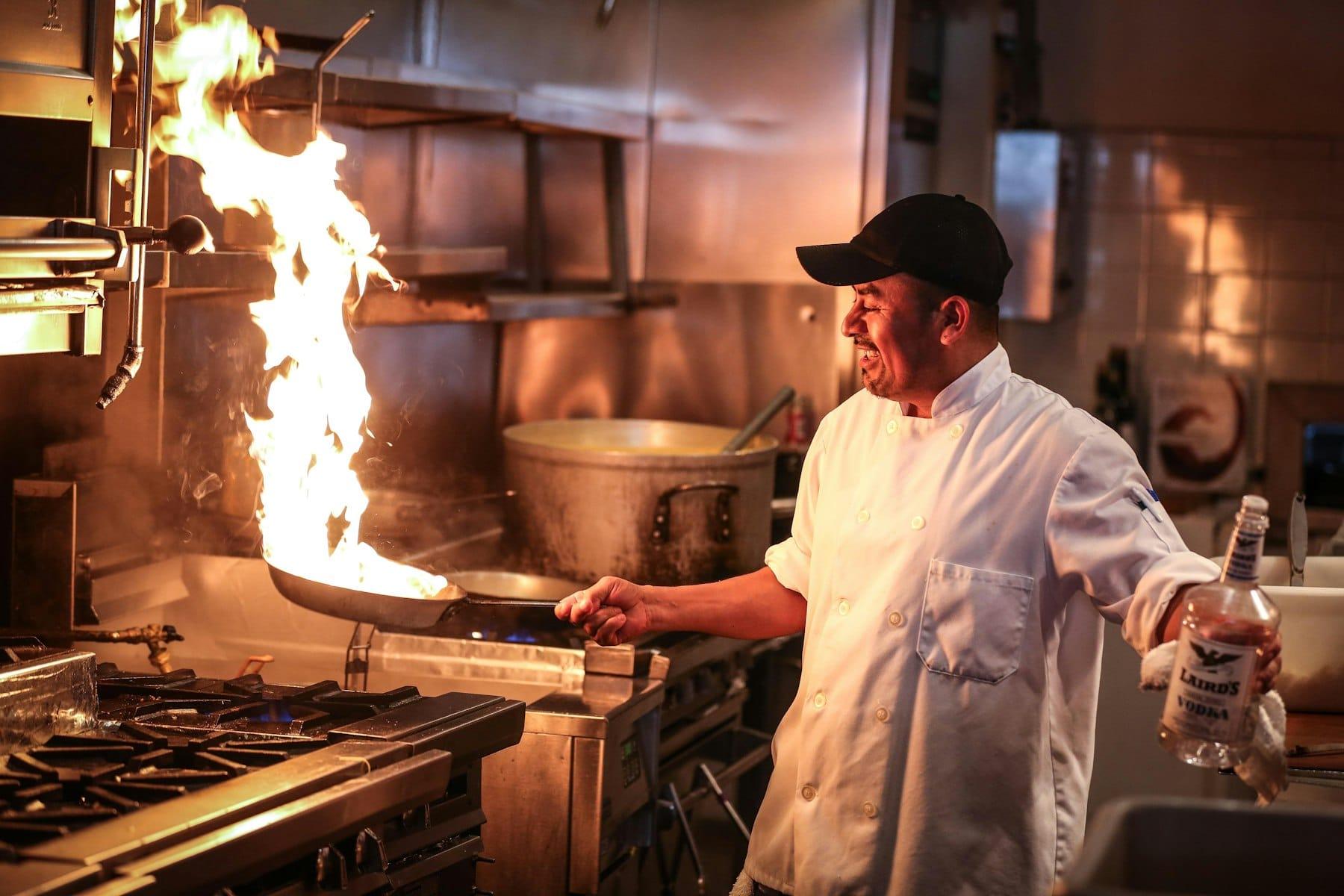
SOP stands for standard operating procedure. It is a short, written description of how a task is done, step by step, so it is done the same way every time. In a restaurant, SOPs turn personal habits into shared standards.
Without SOPs, quality depends on who is on shift. With them, a new hire can learn faster and a guest gets the same experience on a Monday as on a Saturday.
Why SOPs matter
- Consistency. The same dish, the same service, every shift.
- Faster training. New staff learn from a document, not guesswork.
- Less owner dependence. The restaurant runs without you standing over it.
- Easier problem solving. When something goes wrong, you can see which step failed.
- Better cost control. Portions, stock and wastage follow clear rules.
Start with what to document
Do not try to write everything at once. Begin with the tasks that most affect guests and money.
Kitchen
- Recipe cards with exact quantities and plating.
- Prep lists and par levels.
- Opening and closing kitchen routines.
- Food safety steps: storage temperatures, labelling, cleaning schedules.
- Receiving goods and checking quality.
Service
- Greeting and seating.
- Taking orders and entering them correctly.
- Handling special requests and allergies.
- Billing and payment.
- Complaint handling.
Management
- Opening and closing checklists.
- Cash handling and daily reconciliation.
- Stock counts and ordering.
- Staff scheduling and attendance.
- Maintenance and equipment cleaning.
Delivery
- Order acceptance and prep timing.
- Packing and sealing.
- Handover to the delivery partner.
- Out-of-stock handling. See our Swiggy and Zomato setup checklist.
A simple SOP template
Keep every SOP to one page where possible. Use the same layout each time.
- Title. For example, Opening the coffee station.
- Purpose. One sentence on why this matters.
- Who. The role responsible.
- When. The time or trigger.
- Tools and materials. What is needed.
- Steps. Numbered, short, in order.
- Quality check. How you know it was done properly.
- If something goes wrong. Who to tell and what to do.
A worked example
Title: Closing the coffee station.
Purpose: Leave the station clean, safe and ready for tomorrow.
Who: Barista on closing shift.
When: After the last coffee order is served.
Steps:
- Switch off the grinder and remove remaining beans into a sealed container.
- Purge and clean the steam wand with a damp cloth.
- Run the cleaning cycle on the machine using the approved cleaner.
- Empty and wash the drip tray and portafilters.
- Wipe all surfaces with a sanitiser solution.
- Check milk stock, discard anything past its label time and record the discard in the wastage log.
- Restock cups, lids and sugar for the morning.
- Complete the closing checklist and sign it.
Quality check: Supervisor inspects the station before leaving.
If something goes wrong: Report equipment faults to the manager and note them in the maintenance log.
This is an illustration. Adapt it to your equipment, supplier guidance and local food safety rules.
How to write SOPs that people use
Write with the people who do the job
Sit with the cook or barista. Watch the task. Ask what slows them down. The best SOP reflects reality, with improvements agreed together.
Use plain language
Short sentences. Simple words. Avoid long paragraphs. Where staff speak different languages, consider translating key SOPs or adding pictures.
Add photos and checklists
A photo of a correctly plated dish beats a paragraph. A tick-box checklist is easier to follow during a busy shift than a manual.
Keep them where work happens
A binder in the office does not help. Put checklists near the station. Laminate them. Use a shared folder or a tablet if that suits your team.
Training and rollout
- Explain why. Show how the SOP makes work easier, not just stricter.
- Demonstrate. Do the task while the team watches.
- Practise. Let them do it with supervision.
- Check. Observe the next few shifts.
- Sign off. Record who has been trained on what.
Plan a short refresher every few months.
Audit and improve
An SOP nobody checks becomes decoration.
- Run a weekly walk-through using a simple checklist.
- Review mistakes and complaints, then ask which SOP failed or was missing.
- Update the document when a better method is found.
- Add a version date so old copies do not circulate.
- Keep the number of SOPs manageable. Quality over quantity.
Link SOPs to your numbers
SOPs support your financial goals. Portion standards protect food cost. Stock count routines catch waste. Opening checklists reduce delays that cost sales. Read understanding food cost percentage to see how the two connect.
Compliance reminders
Food safety and licensing rules apply to your kitchen. Check FSSAI requirements, and other local approvals such as Shops and Establishments, trade licence and fire NOC where applicable. Requirements vary by state and municipality. Your SOPs should reflect them, but this article is not legal advice, so confirm with the relevant authority or a qualified professional.
Common mistakes
- Writing very long documents nobody reads.
- Creating SOPs once and never updating them.
- Writing without involving the team.
- Skipping training because "everyone knows".
- Having rules with no checking and no follow-up.
- Copying another restaurant's SOPs without adjusting to your menu and layout.
A first-month plan
- Week 1: list the ten most important routines.
- Week 2: write and test the first five with the team.
- Week 3: train and observe.
- Week 4: fix gaps, write the next five.
Small and steady beats big and abandoned. For the bigger picture of why this matters, see why restaurants fail after a good launch.
How Dine Crafted helps
Dine Crafted builds the operating system behind owner-built cafés and restaurants. That includes SOPs, checklists, training plans and review routines, delivered as part of launch and ongoing operations. The documents become part of the brand you own. You can read about each stage on how it works.
Next step
If you want SOPs set up for a new outlet, or a struggling kitchen brought under control, explore our managed operations service.