Dine Crafted
Menu Engineering
How to Price a Café Menu
A practical method for pricing a café menu in India: cost each dish, test margins, read the market, and sort items into stars, plowhorses, puzzles and dogs.
17 October 2026 · 5 min read
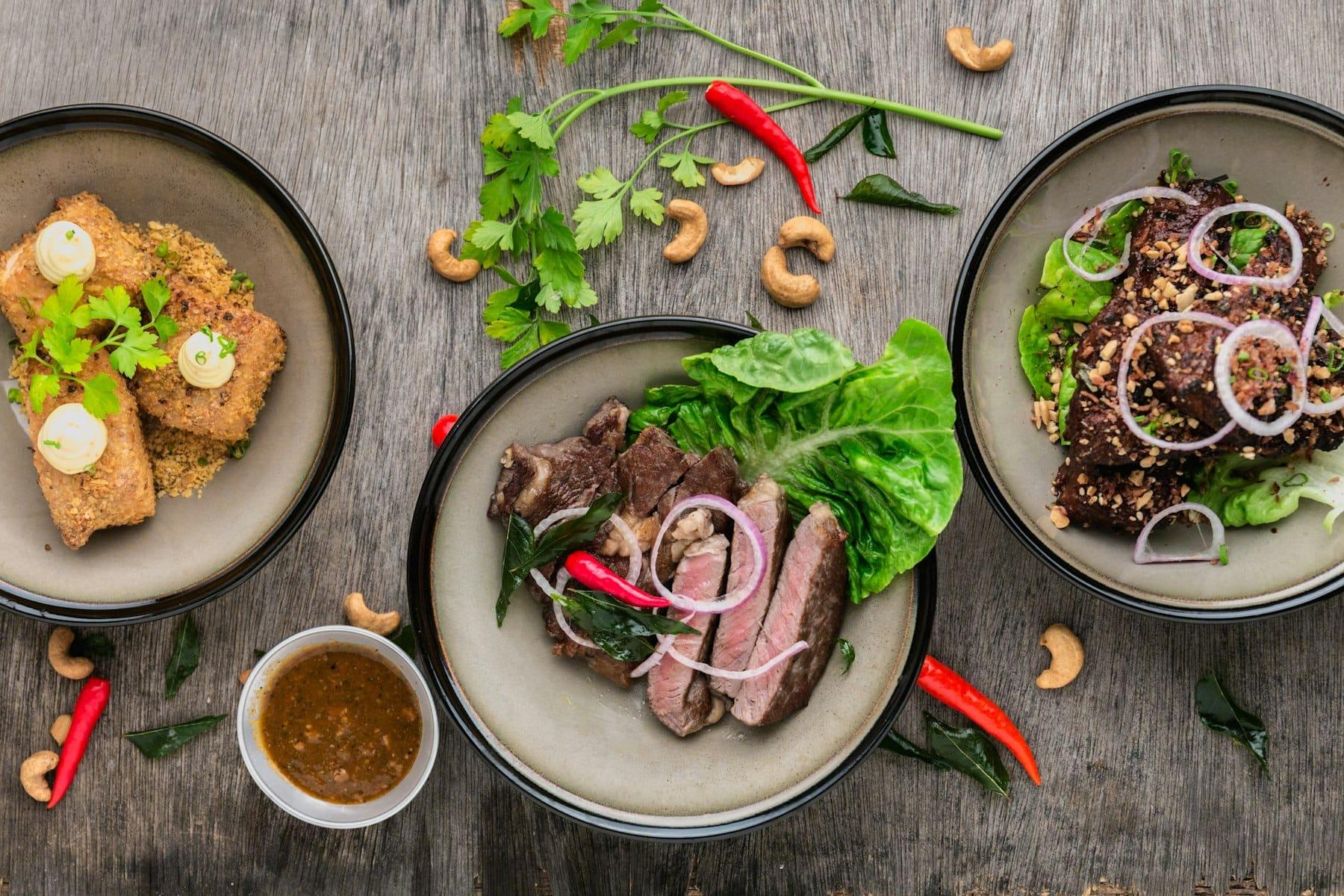
Pricing is not guessing what customers will tolerate. It is a mix of cost, positioning, competition and psychology. Done well, it protects your margin without scaring away your guests.
This guide gives you a step-by-step method. Every number is an illustration or a rule of thumb, so adjust to your city, format and customer.
Step 1: Know your true cost per dish
You cannot price what you have not costed. Build a recipe card for each item, including ingredients, yield loss, garnish and packaging. If this is new to you, read understanding food cost percentage first.
Illustration: a cold coffee has ingredients costing ₹34 per glass, including milk, coffee, sugar, ice and the cup.
Step 2: Choose a target food cost
Pick a target range for each category. A common rule of thumb for many formats is food cost in the region of 28 to 35 percent. Beverages often run lower, and desserts or baked items can vary widely. Your target depends on your rent, your labour and your concept.
Formula for a starting price:
Starting price = ingredient cost divided by target food cost percentage.
Illustration: ₹34 divided by 0.28 gives about ₹121. With a target of 25 percent for beverages, it would be ₹136. These are starting points only.
Step 3: Check the market
Look at what competitors charge for similar items. Visit them. Order. Note portion size, quality and presentation. Then ask yourself:
- Is my product clearly better, equal or lesser?
- Does my location support a higher price?
- Does my brand story justify a premium?
If your cold coffee costs more than a nearby café's, can the customer see why? Better beans, bigger glass, better ambience. If not, you may be priced out.
Step 4: Use price points customers understand
Customers think in price bands. A café might sit in bands like under ₹150, ₹150 to ₹250, and above ₹250. Items cluster inside these bands. Moving a dish just over a band edge can change how it is perceived.
Consider keeping a small number of well-chosen entry-level items so there is something for everyone. Then add a few premium items that lift your average bill.
Price endings are a design choice. Some brands use round numbers for a premium feel. Others use endings like 9. Whatever you pick, be consistent.
Step 5: Engineer the menu with four categories
Menu engineering sorts dishes by two measures: how popular they are, and how much margin they earn. This is a standard approach, and the labels below are conventional.
| Category | Popularity | Margin | What to do |
|---|---|---|---|
| Star | High | High | Protect it. Feature it. |
| Plowhorse | High | Low | Raise the price slightly, trim portion cost, or pair with a high-margin side. |
| Puzzle | Low | High | Reposition, rename, improve the description, or train staff to recommend it. |
| Dog | Low | Low | Rework or remove. |
To do this you need two numbers per dish: units sold and contribution margin (selling price minus ingredient cost). Your POS report gives the first. Your recipe cards give the second.
Illustration: a pasta sells 300 plates a month at ₹260 with ₹78 ingredient cost. Contribution per plate is ₹182, and monthly contribution is about ₹54,600. A cake slice sells 40 a month at ₹180 with ₹48 cost, contribution ₹132, monthly total about ₹5,280. The pasta is carrying much more of the business. The cake may be a puzzle worth promoting or a dog worth dropping.
Step 6: Design the menu to guide choices
How you present dishes affects what people order.
- Keep the menu short. Fewer items are easier to prepare well, easier to cost and easier to choose from.
- Place high-margin items where eyes land first.
- Write short, appetising descriptions for dishes you want to sell more of.
- Avoid a column of prices lined up for comparison. Place prices quietly next to the description.
- Offer combos where they genuinely help, such as a coffee with a pastry. Make sure the combo still holds margin.
Step 7: Price delivery separately
Delivery adds packaging and platform charges. Each platform sets its own terms and changes them, so confirm directly with them rather than relying on a number you saw online. Many operators run a slightly different delivery menu or price structure to protect margin. Read our Swiggy and Zomato setup checklist for the steps involved.
Step 8: Review regularly
Prices are not permanent. Ingredient costs shift, competitors change and your own reputation grows. Review monthly. Make small adjustments rather than large jumps. If you must raise prices, do it on items with strong demand or strong perceived value first.
Common pricing mistakes
- Copying a competitor without knowing your own costs.
- Pricing everything at the same food cost percentage, ignoring volume and perception.
- Discounting too often, which trains customers to wait for offers.
- Having a very long menu that slows the kitchen and confuses guests.
- Never updating prices after supplier costs rise.
- Pricing so low that you win customers and lose money on each plate.
A quick check
For every dish, ask four questions:
- Do I know its true ingredient cost?
- Does the price leave a healthy contribution after that cost?
- Does the price make sense next to nearby competitors?
- Would a regular guest feel it is fair?
If the answer to any is no, fix it before printing the menu.
How Dine Crafted approaches menus
Dine Crafted treats menu engineering as a core part of launching an owner-built café or restaurant. We work on costing, category mix, portions and pricing so the menu earns its keep from week one. We are not a franchise, so the menu is designed around your concept and your location, and you own it. To see where this sits in the full journey, visit how it works.
Next step
If you are about to print your first menu, or your current one is not earning what it should, start with a structured review. The project planner lets you map your menu, costs and break-even in one place.